

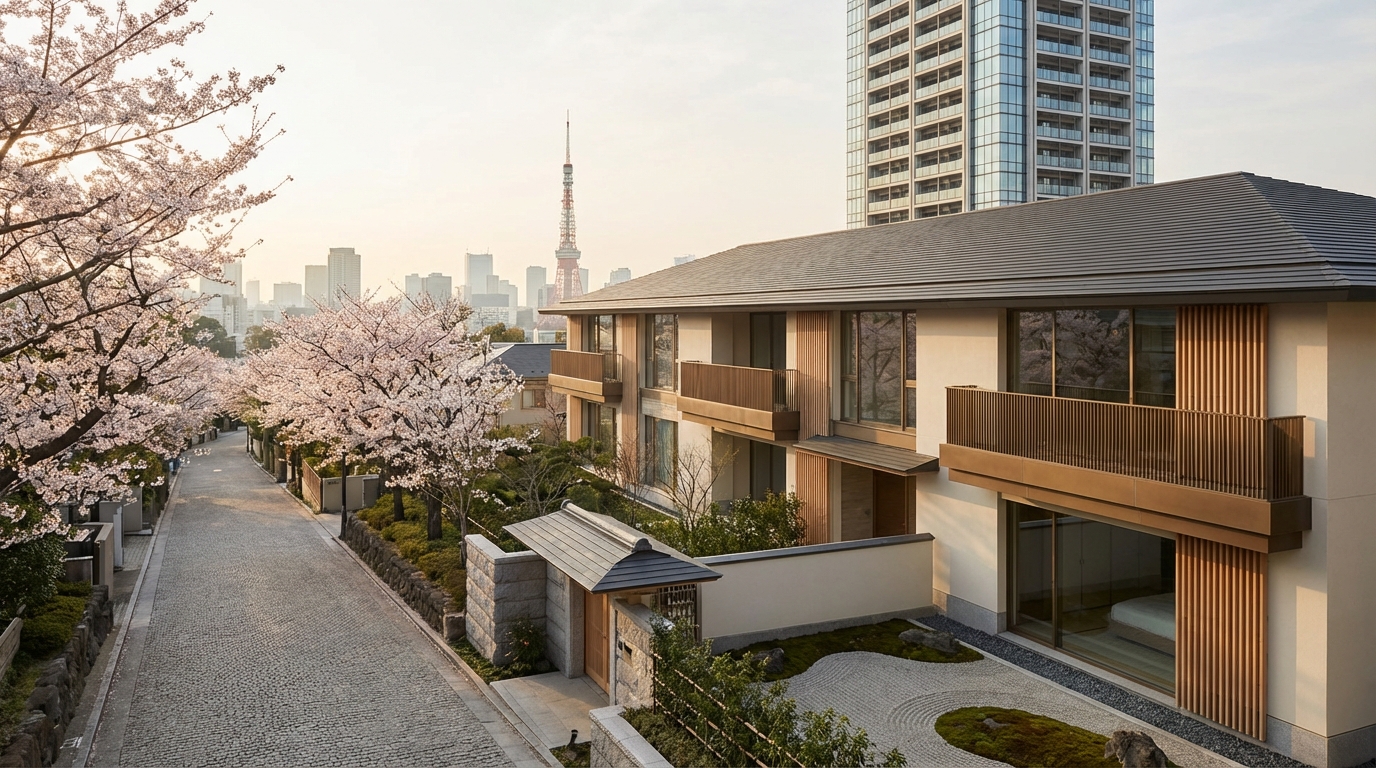
The cost of moving to Japan extends beyond a single flight and a security deposit. Between visa application fees that increased sharply in 2026, initial housing deposits that can reach five months’ rent in Tokyo, and the furniture needed to fill an unfurnished apartment, the first three months require careful financial planning. This guide provides specific numbers for each stage of relocation.
Visa fees and application costs
Japan’s Ministry of Justice implemented significant fee increases for residence permits in 2026. The standard application fee for a new Certificate of Eligibility rose from ¥6,000 to ¥30,000, while permanent residency applications now cost ¥40,000, up from the previous ¥8,000. These changes affect anyone planning to move to Japan on a work visa, spouse visa, or long-term residence permit.
The visa application process itself involves additional costs beyond government fees. Document translation and notarization typically run ¥15,000 to ¥30,000, depending on the number of documents required. A Certificate of Eligibility application submitted from overseas often requires a proxy service in Japan, which charges ¥50,000 to ¥100,000. Health certificate requirements for certain visa categories add another ¥10,000 to ¥20,000.
Budget ¥100,000 to ¥200,000 for the complete visa application process, including all documentation, translations, and government fees.
International flights and shipping
Flight costs from major cities to Tokyo vary significantly by season and departure point. Average economy fares from New York to Tokyo’s Haneda Airport range from ¥150,000 to ¥250,000. From London, expect ¥120,000 to ¥200,000. Southeast Asian departures cost less, with Singapore to Tokyo averaging ¥80,000 to ¥120,000.
Shipping personal belongings requires early planning. A 20-foot container from the United States to Tokyo costs approximately ¥400,000 to ¥600,000, with transit times of four to six weeks. Air freight for urgent items runs ¥8,000 to ¥15,000 per kilogram. Most people relocating to Japan ship a smaller volume, with a few boxes by sea freight costing ¥100,000 to ¥200,000.
For those moving from Brazil, flight costs average ¥300,000 to ¥450,000 due to the distance and limited direct routes. From Trinidad, expect similar pricing at ¥280,000 to ¥400,000, typically requiring connections through the United States or Europe.
Initial apartment costs in Tokyo
Tokyo apartment deposits represent the largest single expense when relocating. The standard move-in cost includes five separate payments: reikin (礼金, key money), shikikin (敷金, security deposit), first month’s rent, last month’s rent, and agency fees.
A typical one-bedroom apartment in central Tokyo wards like Minato (港区) or Shibuya (渋谷区) rents for ¥180,000 to ¥250,000 monthly. The initial payment structure breaks down as follows:
- Reikin: 1-2 months’ rent (¥180,000 to ¥500,000)
- Shikikin: 1-2 months’ rent (¥180,000 to ¥500,000)
- First month’s rent: ¥180,000 to ¥250,000
- Agency fee: 1 month’s rent plus tax (approximately ¥200,000 to ¥275,000)
- Fire insurance: ¥15,000 to ¥20,000 annually
- Lock replacement fee: ¥15,000 to ¥30,000
Total initial housing costs: ¥750,000 to ¥1,550,000 for a standard one-bedroom apartment in Tokyo’s central wards.
Areas like Meguro (目黒区), Setagaya (世田谷区), and Shinagawa (品川区) offer slightly lower rates, with one-bedroom apartments renting for ¥150,000 to ¥200,000 monthly. Initial costs in these areas typically total ¥650,000 to ¥1,200,000.
Neighborhoods further from central Tokyo, such as Koto (江東区) or Adachi (足立区), reduce housing costs significantly. A one-bedroom apartment in these areas rents for ¥100,000 to ¥140,000, with initial costs of ¥450,000 to ¥800,000.
Furnished versus unfurnished apartments
Japanese rental apartments typically come completely unfurnished. This means no kitchen appliances, no lighting fixtures, no curtains, and often no air conditioning units. The apartment provides walls, flooring, a bathroom, and a kitchen space with water and gas connections.
Essential appliances and furniture:
- Refrigerator: ¥40,000 to ¥120,000
- Washing machine: ¥35,000 to ¥80,000
- Microwave: ¥15,000 to ¥35,000
- Rice cooker: ¥10,000 to ¥30,000
- Air conditioning unit (if not included): ¥80,000 to ¥150,000 per room
- Bed frame and mattress: ¥40,000 to ¥100,000
- Desk and chair: ¥25,000 to ¥60,000
- Dining table and chairs: ¥30,000 to ¥80,000
- Sofa: ¥40,000 to ¥120,000
- Curtains and rods: ¥20,000 to ¥50,000
- Lighting fixtures: ¥15,000 to ¥40,000
- Kitchen utensils and tableware: ¥20,000 to ¥40,000
Budget ¥400,000 to ¥900,000 for essential furniture and appliances for a one-bedroom apartment. Those willing to purchase used items or shop at discount retailers like Nitori can reduce this to ¥250,000 to ¥500,000.
Furnished apartments exist but command premium rents, typically 20-30% above comparable unfurnished units. Short-term furnished rentals through services like Leopalace21 cost ¥150,000 to ¥250,000 monthly for a studio in Tokyo, with simplified move-in requirements but higher overall costs for stays exceeding six months.
First month living expenses
The first month in Japan involves numerous one-time setup costs alongside regular living expenses. Understanding the complete cost of living helps prevent budget shortfalls during the critical adjustment period.
Mandatory registrations and fees:
- Residence registration at ward office: Free
- National Health Insurance enrollment: ¥15,000 to ¥40,000 for the first payment (calculated based on previous year’s income)
- Pension enrollment: ¥16,980 monthly (2026 rate)
- Mobile phone contract: ¥10,000 to ¥20,000 initial fee, plus ¥5,000 to ¥12,000 monthly
- Internet setup: ¥20,000 to ¥40,000 initial fee, plus ¥4,000 to ¥6,000 monthly
- Bank account (free at most banks)
Transportation:
Tokyo’s public transportation requires an IC card (Suica or Pasmo) with an initial ¥500 deposit. Monthly commute costs vary significantly by distance. A commute from Shibuya to Otemachi costs approximately ¥11,000 monthly. Longer commutes from outer wards can reach ¥20,000 to ¥30,000 monthly.
Groceries and daily necessities:
Average monthly food costs for one person in Tokyo range from ¥40,000 to ¥70,000, depending on cooking frequency and preferences. The first month typically runs higher due to purchasing pantry staples, cleaning supplies, and household basics. Budget ¥60,000 to ¥90,000 for the first month.
Utilities:
- Electricity: ¥5,000 to ¥10,000 monthly
- Gas: ¥3,000 to ¥6,000 monthly
- Water: ¥3,000 to ¥5,000 monthly (billed every two months)
Total first-month living expenses, including setup fees: ¥180,000 to ¥320,000.
Cost of living in Japan compared to other markets
The cost of living in Japan relative to other major markets depends heavily on location and lifestyle. Tokyo ranks among the world’s more expensive cities for housing, but daily expenses often run lower than New York or London.
Compared to the United States, Tokyo housing costs exceed most American cities except New York and San Francisco. A one-bedroom apartment in central Tokyo costs roughly equivalent to similar locations in Manhattan or central San Francisco. However, public transportation costs in Tokyo run significantly lower than car ownership in most U.S. cities.
For those relocating from India, Japan’s cost of living runs substantially higher across all categories. Tokyo housing costs three to four times Mumbai rates for comparable quality and location. Daily expenses, including food and transportation, typically double or triple.
Understanding Japanese salary context
Is ¥300,000 a good salary in Japan?
A monthly salary of ¥300,000 (¥3,600,000 annually) represents a below-average income in Tokyo. After taxes and mandatory insurance deductions, take-home pay is approximately ¥240,000 monthly. With average Tokyo rent consuming ¥120,000 to ¥180,000, this leaves ¥60,000 to ¥120,000 for all other expenses. This salary works for single individuals living in outer wards or sharing housing, but provides limited financial flexibility in central Tokyo.
Is $40,000 USD a good salary in Japan?
Converting $40,000 USD to yen at current exchange rates yields approximately ¥5,600,000 annually, or roughly ¥467,000 monthly before taxes. This represents a comfortable middle-class income in Tokyo, sufficient for a one-bedroom apartment in central wards with moderate savings potential. Take-home pay after deductions is approximately ¥360,000 monthly, allowing for ¥180,000 rent and ¥180,000 for other expenses and savings.
Is $5,000 USD a lot in Japan?
$5,000 USD converts to approximately ¥700,000, which represents a significant sum for monthly expenses but a modest amount for initial relocation costs. This amount covers first month’s rent and living expenses in Tokyo but falls short of the complete move-in costs for an apartment, which can reach ¥1,500,000 or more when including all deposits and fees.
Regional cost variations
Tokyo’s housing costs significantly exceed other Japanese cities. Osaka apartments rent for 30-40% less than comparable Tokyo properties. A one-bedroom apartment in central Osaka costs ¥100,000 to ¥150,000 monthly, with initial move-in costs of ¥500,000 to ¥900,000.
Fukuoka, Sapporo, and Nagoya offer further savings, with central one-bedroom apartments renting for ¥70,000 to ¥120,000 monthly. Initial housing costs in these cities typically total ¥350,000 to ¥700,000.
The Japanese government expanded regional migration subsidies in 2026, offering up to ¥10,000,000 for families relocating from Tokyo to designated rural areas and starting businesses. These programs, known as 移住支援金 (ijū shienkin), target domestic migration but some municipalities extend benefits to foreign permanent residents.
Health insurance requirements
Japan’s National Health Insurance (国民健康保険, kokumin kenkō hoken) becomes mandatory within 14 days of establishing residence. The system provides comprehensive coverage with 30% patient copayment for most services.
Monthly premiums calculate based on previous year’s income, household size, and municipality. New arrivals without Japanese income history pay minimum rates, typically ¥15,000 to ¥25,000 monthly for a single adult. After one year, premiums adjust based on Japanese income.
Company employees join Employee Health Insurance (健康保険, kenkō hoken), with premiums split between employer and employee. This typically costs less than National Health Insurance for equivalent coverage.
Complete relocation budget
A realistic total budget for moving to Japan and covering the first three months:
Pre-arrival costs:
- Visa application and documentation: ¥100,000 to ¥200,000
- Flight: ¥150,000 to ¥450,000 (varies by origin)
- Shipping: ¥100,000 to ¥600,000 (varies by volume)
Housing setup:
- Initial apartment costs: ¥750,000 to ¥1,550,000 (Tokyo central)
- Furniture and appliances: ¥400,000 to ¥900,000
First three months living:
- Monthly living expenses: ¥200,000 to ¥300,000 per month
- Setup fees and registrations: ¥80,000 to ¥120,000
Total: ¥2,500,000 to ¥5,000,000 for a single person relocating to central Tokyo.
This budget assumes moderate lifestyle choices, unfurnished apartment rental, and new furniture purchases. Those relocating to other Japanese cities can reduce the total by 30-50%. Individuals willing to live in outer Tokyo wards, purchase used furniture, and minimize shipping can operate at the lower end of this range.
Permanent residency considerations
The 2026 fee increase for permanent residency applications to ¥40,000 represents a minor cost within the broader relocation budget, but the permanent residency process itself involves additional expenses. Legal consultation for application preparation typically costs ¥200,000 to ¥500,000. Document preparation, translation, and notarization add another ¥50,000 to ¥100,000.
Permanent residency eligibility generally requires ten years of continuous residence in Japan, with some exceptions for highly skilled professionals, spouses of Japanese nationals, and long-term residents. The application process takes six to twelve months from submission to decision.
Life in Japan beyond the initial costs
After the initial three-month period, monthly expenses stabilize. Average monthly costs for a single person in Tokyo range from ¥180,000 to ¥280,000, including rent in outer wards, food, utilities, transportation, and health insurance. Those living in central Tokyo should budget ¥250,000 to ¥400,000 monthly.
The commute culture in Japan differs significantly from car-dependent societies. Tokyo’s public transportation network allows residence in affordable outer wards while maintaining access to central business districts. A 45-minute commute on the Tozai Line or Chuo Line is standard, with monthly pass costs of ¥15,000 to ¥20,000.
Planning your move to Japan
Successful relocation requires financial preparation that extends beyond the visible costs. Currency exchange timing can impact total expenses by 5-10% given yen volatility. Opening a Japanese bank account before arrival, while difficult, can facilitate apartment applications and reduce initial cash requirements.
The apartment search process benefits from advance planning. Most landlords require viewing appointments, and competitive properties in desirable areas lease quickly. Budget two to four weeks for apartment hunting after arrival, which necessitates temporary accommodation. Business hotels in Tokyo cost ¥8,000 to ¥15,000 nightly, while guesthouses and Airbnb options range from ¥4,000 to ¥8,000 nightly. Add ¥120,000 to ¥300,000 for temporary housing during the apartment search.
Koukyuu represents buyers seeking properties in Tokyo at the ¥300M+ level. For those establishing residence in Tokyo’s most distinguished addresses, we provide end-to-end buyer advocacy. Begin a private conversation with our concierge team.