

The cost of food in Japan: a realistic monthly breakdown
A morning walk through a Tokyo supermarket reveals the rhythm of daily food costs in Japan. Housewives inspect daikon radish at ¥98 each, salarymen queue for ¥450 bento boxes, and expatriate families calculate the weekly rice budget. By 2026, inflation has reshaped these numbers, but the essential patterns remain legible to anyone planning a move, extended stay, or household budget in Japan’s cities.
Understanding the cost of food in Japan requires moving past tourist meal prices into the territory of actual monthly household expenses. Data from the Statistics Bureau of Japan (総務省統計局) provides the foundation: average Japanese households allocate between ¥40,000 and ¥90,000 monthly to food, depending on household size and dining habits. The figures shift considerably between supermarket shopping, convenience store meals, and restaurant dining.
Food prices in Japan: the 2026 landscape
Food prices across Japan have risen approximately 6-8% year-over-year through 2025-2026, according to Statistics Bureau tracking. A standard grocery basket that cost ¥8,000 in 2024 now approaches ¥8,600. The increases concentrate in imported goods, cooking oils, and wheat-based products, while domestic rice and seasonal vegetables show more modest movement.
Supermarket prices establish the baseline. A kilogram of domestic rice costs ¥400-600 depending on quality and region. Fresh vegetables follow seasonal curves: a head of cabbage ranges from ¥150 in summer to ¥280 in winter. Protein sources vary widely—100 grams of domestic pork costs ¥180-250, while the same amount of domestic beef reaches ¥600-1,200. Imported chicken breast remains the budget option at ¥400-500 per kilogram.
Eggs, once Japan’s most stable food commodity, now cost ¥280-350 for ten, up from ¥200-250 two years prior. A liter of milk sits at ¥220-260. Tofu, a staple protein, remains economical at ¥80-150 per block depending on type and brand.
Fish prices reflect both quality and sustainability pressures. A serving-size piece of salmon costs ¥300-450, while seasonal options like sanma (Pacific saury) can drop to ¥150-200 during autumn abundance. Supermarkets discount seafood and prepared items by 20-50% after 7:00 PM, a practice that budget-conscious residents time their shopping around.
Monthly food costs by household size
Single-person households spend an average of ¥42,000 monthly on food according to 2026 Statistics Bureau data. This figure includes both groceries and outer dining. The breakdown typically allocates ¥25,000-30,000 to supermarket purchases and ¥12,000-17,000 to restaurants and convenience store meals.
Two-person households average ¥68,000 monthly. Economies of scale reduce per-person costs slightly, as bulk rice purchases, shared cooking, and reduced food waste compress the budget. Couples who cook most meals at home can operate at ¥50,000-55,000, while those dining out frequently reach ¥80,000-90,000.
Four-person families face the steepest absolute costs: ¥85,000-95,000 monthly on average. Growing children drive both volume and variety requirements. The Statistics Bureau notes these households increased spending by approximately ¥7,500 per month between 2025 and 2026, with inflation accounting for most of the rise.
Regional variations matter less than expected. Tokyo and Osaka show similar supermarket prices for most staples, with Tokyo adding 5-10% premiums on imported goods and specialty items. Rural areas offer lower produce costs when buying directly from agricultural cooperatives, but reduced competition among retailers can elevate other categories.
Supermarket shopping: building a monthly budget
A realistic monthly supermarket budget for one person cooking at home requires ¥25,000-35,000. This assumes home cooking for breakfast and dinner six days per week, with lunch purchased or eaten at work.
Weekly staples for a single person total approximately ¥6,000-8,000:
- Rice (5kg monthly): ¥2,000-2,500
- Vegetables (seasonal mix): ¥2,500-3,500
- Protein (chicken, pork, fish, tofu rotation): ¥3,000-4,000
- Eggs and dairy: ¥1,500-2,000
- Condiments, cooking oil, seasonings: ¥1,000-1,500
Japanese supermarkets operate on predictable discount schedules. Chain stores like Life, Summit, and Maruetsu mark down fresh items approaching expiration dates each evening. Shoppers who time visits for 7:00-8:00 PM access 20-50% discounts on prepared foods, bento boxes, and same-day fish and meat.
Bulk stores such as Gyomu Super (業務スーパー) reduce costs further for non-perishables and frozen goods. A 2kg bag of frozen vegetables costs ¥400-500 compared to ¥800-1,000 for equivalent fresh produce at standard supermarkets. Imported frozen chicken breast sells for ¥700-900 per kilogram, roughly half the price of domestic fresh chicken.
Monthly shopping patterns that minimize waste and maximize discount timing can compress a single person’s grocery budget to ¥20,000-25,000 without sacrificing nutrition or variety.
Convenience store economics
Convenience stores (コンビニ) like 7-Eleven, FamilyMart, and Lawson function as Japan’s 24-hour dining backup. A typical convenience store meal—onigiri rice ball, sandwich, or bento box—costs ¥400-700. Coffee runs ¥100-200. A full day of convenience store eating totals ¥1,500-2,000.
The math becomes expensive quickly. Someone eating all meals at convenience stores spends ¥45,000-60,000 monthly, approximately 50% more than supermarket cooking with occasional restaurant meals. Convenience stores serve specific use cases: late-night workers, travelers, and those in temporary housing without cooking facilities. For regular meal planning, they represent the high end of the budget spectrum.
Quality has improved considerably. Convenience store onigiri now includes premium options with salmon, ikura (salmon roe), and specialty rice varieties at ¥200-300 each. Bento boxes range from basic ¥450 options to elaborate ¥800-1,000 meals with multiple proteins and side dishes.
Restaurant dining: from ramen to splurge kaiseki
Restaurant costs in Japan span an enormous range. Budget meals at chain restaurants like Yoshinoya, Sukiya, or Matsuya cost ¥500-700 for a filling bowl of gyudon (beef bowl) or curry rice. These establish the floor for outer dining.
Ramen shops typically charge ¥800-1,200 for a bowl, with Tokyo and Osaka averaging ¥900-1,000 for standard shoyu or tonkotsu ramen. Premium shops with specialty broths or high-grade chashu pork reach ¥1,300-1,500. A ramen meal with gyoza dumplings and a soft drink totals ¥1,200-1,500 per person.
Udon and soba noodle shops offer similar pricing: ¥600-900 for basic bowls, ¥1,000-1,400 for tempura sets. Standing soba counters near train stations serve quick bowls for ¥400-600, a budget option for rushed lunches.
Mid-range izakaya dining (Japanese pub-style restaurants) costs ¥3,000-5,000 per person including drinks. This category covers most casual evening dining. Yakitori shops, okonomiyaki restaurants, and neighborhood izakaya all cluster in this range.
Sushi pricing divides sharply by format. Conveyor belt sushi chains like Sushiro and Kura Sushi charge ¥120-180 per plate (two pieces), allowing a filling meal for ¥1,500-2,500. Mid-range sushi restaurants with counter seating cost ¥5,000-10,000 per person for omakase (chef’s selection). High-end sushi in Tokyo’s Ginza or Roppongi districts reaches ¥20,000-40,000 per person, entering splurge territory for most budgets.
Set lunch menus (ランチセット) offer the best restaurant value. Many mid-range and even high-end restaurants serve lunch sets at 40-60% of dinner prices. A ¥1,000-1,500 lunch set typically includes a main dish, rice, miso soup, pickles, and sometimes a small salad or side dish.
Dining out frequency and monthly costs
Eating lunch out daily at ¥800-1,000 adds ¥20,000-25,000 monthly (assuming 25 workdays). Office workers in Tokyo and Osaka commonly spend this amount, as many workplaces lack adequate kitchen facilities for brought lunches.
Dinner out twice weekly at mid-range restaurants (¥3,000-4,000 per meal) adds another ¥24,000-32,000 monthly. Combined with daily work lunches, this dining pattern reaches ¥44,000-57,000 monthly before accounting for any home cooking or breakfast expenses.
Budget-conscious approaches reduce outer dining to 3-4 times weekly, mixing cheap chain restaurants with home cooking. This pattern costs ¥15,000-25,000 monthly for restaurant meals, leaving room in a ¥40,000-50,000 total food budget for supermarket shopping.
The tip question: dining without gratuity
Japan does not practice tipping. Restaurant bills reflect the final amount due. Service charges appear at some upscale establishments (typically 10-15%), but these are itemized on the bill rather than left to customer discretion.
This absence of tip culture simplifies budget calculation. A ¥1,000 ramen bowl costs exactly ¥1,000. A ¥5,000 izakaya dinner costs ¥5,000. The listed price is the paid price.
Some high-end restaurants and hotel dining rooms add a service charge (サービス料), noted on menus. This functions as a mandatory gratuity built into the bill, typically 10-15% of the food total. Budget accordingly when dining at luxury establishments, but understand that additional tipping is neither expected nor desired.
Regional considerations: Tokyo, Osaka, and Kyoto
Tokyo’s food costs sit approximately 5-10% above the national average for restaurant dining, while supermarket prices remain largely comparable to other major cities. The premium concentrates in trendy neighborhoods like Roppongi (六本木), Shibuya, and Aoyama (青山), where mid-range restaurant meals reach ¥4,000-6,000 per person compared to ¥3,000-4,500 in residential areas.
Osaka maintains a reputation for better food value. The city’s competitive restaurant scene and strong food culture keep prices modest. Ramen bowls average ¥850-950 compared to Tokyo’s ¥950-1,050. Izakaya dining in Osaka’s Namba and Umeda districts costs ¥2,500-4,000 per person, roughly 15-20% below equivalent Tokyo establishments.
Kyoto’s costs fall between Tokyo and Osaka for everyday dining. Tourist-focused restaurants near temples and major attractions charge Tokyo-level prices, but neighborhood spots in residential areas like Kitayama offer Osaka-style value. Kyoto’s traditional kaiseki dining reaches the highest price points nationally, with renowned establishments charging ¥30,000-50,000 per person.
Cost of food in Japan versus other countries
Comparing Japanese food costs to the United States reveals a complex picture. Basic supermarket staples like rice, vegetables, and tofu cost less in Japan. A month of home-cooked meals runs ¥25,000-35,000 (approximately $170-240 USD at 2026 exchange rates), comparable to or below similar shopping in major US cities.
Restaurant dining shows the opposite pattern. Budget meals in Japan cost more than American fast food equivalents. A ¥800 ramen bowl converts to about $5.50 USD, while a comparable fast-casual meal in the US costs $8-12. However, mid-range restaurant dining in Japan often costs less than American equivalents. A ¥4,000 izakaya dinner ($27 USD) provides more variety and higher quality than a $30-40 casual dining meal in US cities.
The absence of tip requirements shifts the comparison significantly. A $30 restaurant bill in the US becomes $36 with a 20% tip, while a ¥4,000 meal in Japan remains ¥4,000.
Practical strategies for reducing food costs
Self-cooking represents the most effective cost control. A person who cooks breakfast and dinner at home while buying lunch out spends approximately ¥35,000-45,000 monthly on food. The same person eating all meals at restaurants or convenience stores spends ¥65,000-85,000.
Strategic supermarket shopping reduces the cooking budget further:
Evening discount shopping: Visiting supermarkets after 7:00 PM accesses 20-50% markdowns on prepared foods, fresh fish, and meat approaching sell-by dates. A ¥600 salmon fillet marked to ¥350 maintains identical quality when cooked that evening.
Bulk stores and business supermarkets: Gyomu Super and similar wholesale-oriented stores sell restaurant-supply portions at significant discounts. Frozen vegetables, imported proteins, and shelf-stable goods cost 30-50% less than conventional supermarkets.
Seasonal produce: Japanese vegetables follow pronounced seasonal pricing. Cabbage, daikon radish, and other winter vegetables cost half as much during peak season. Building meals around seasonal abundance reduces produce spending by 25-40%.
Rice in bulk: Purchasing 10kg rice bags instead of 2kg packages reduces per-kilogram costs from ¥500-600 to ¥350-450. A single person consumes approximately 5kg monthly, making bulk purchases practical for anyone with storage space.
Lunch preparation: Making lunch at home and bringing it to work saves ¥15,000-20,000 monthly compared to daily restaurant lunches. Simple bento boxes with rice, protein, and vegetables require 15-20 minutes of morning preparation.
Discount apps and point cards: Supermarket loyalty programs and apps like Cookpad Mart offer digital coupons and point-back systems. Regular users save 5-10% through accumulated benefits.
Common budget questions answered
Is $100 a day enough in Japan?
One hundred dollars daily (approximately ¥14,500 at 2026 rates) covers food expenses comfortably for a single person. This budget allows restaurant lunches at ¥1,000-1,500, dinners at mid-range establishments for ¥3,000-4,000, plus breakfast and snacks. Tourists operating at this level eat well without significant constraints.
For residents, ¥14,500 daily translates to ¥435,000 monthly—far above typical food spending. The question makes more sense for short-term visitors than long-term residents building sustainable budgets.
Is $5,000 enough for a trip to Japan?
Five thousand dollars (approximately ¥725,000) covers food expenses for a two-week trip for two people at mid-range to upscale dining levels. Allocating ¥10,000-15,000 per person daily allows nice restaurant dinners, quality lunches, and occasional splurge meals without budget stress.
For a month-long stay, $5,000 provides ¥180,000 weekly, enough for comfortable dining with some luxury meals mixed in. The budget works well for visitors prioritizing food experiences.
Is food expensive in Japan?
Food costs in Japan sit in the moderate-to-expensive range compared to global cities. Basic supermarket shopping costs less than London, New York, or Sydney, while restaurant dining falls below these cities at the mid-range level but exceeds them for budget meals.
The real answer depends on dining patterns. Someone cooking at home spends less in Tokyo than in most Western capitals. Someone eating all meals at restaurants or convenience stores finds Japan expensive relative to income levels and other living costs.
The 80% rule and food culture
The 80% rule (腹八分目, hara hachi bu) refers to eating until 80% full rather than completely satiated. This Okinawan cultural practice relates to longevity and health rather than food costs, but it influences portion sizes and dining expectations throughout Japan.
Japanese restaurant portions typically run smaller than American equivalents. A bowl of ramen or curry rice satisfies hunger without excess. This cultural norm means restaurant meals cost less per sitting but may require adjustment for those accustomed to larger portions.
The practice has budget implications: smaller portions mean lower food costs per meal, but some foreign residents initially find themselves eating more frequently or adding side dishes to feel satisfied. Understanding typical portion sizes helps set realistic budget expectations.
Building a sustainable monthly food budget
A realistic monthly food budget for a single person living in Tokyo or Osaka ranges from ¥40,000 to ¥65,000 depending on cooking frequency and restaurant preferences:
Minimal budget (¥40,000-45,000): Cook breakfast and dinner at home six days weekly, bring lunch to work most days, eat out 2-3 times weekly at budget restaurants. Requires meal planning, evening discount shopping, and consistent cooking habits.
Moderate budget (¥50,000-60,000): Cook dinner at home 4-5 times weekly, buy lunch out at ¥800-1,000 most workdays, dine at mid-range restaurants 2-3 times weekly. Balances convenience with cost control.
Comfortable budget (¥60,000-70,000): Mix of home cooking and restaurant meals without strict planning, freedom to choose restaurants based on preference rather than price, occasional splurge meals. This level removes most food-related budget stress.
Two-person households multiply these figures by 1.6-1.7 rather than 2.0, reflecting shared cooking and bulk purchase efficiencies. Four-person families require 2.0-2.3 times the single-person budget, with the multiplier increasing as children reach teenage years.
Tracking food expenses in practice
The Statistics Bureau data reflects reported averages, but individual spending varies widely based on preferences, cooking skills, and time availability. Tracking actual expenses for 2-3 months provides better guidance than national averages.
Common budget surprises for newcomers to Japan include:
Fruit costs: Fresh fruit functions as a luxury item rather than a staple. Apples cost ¥100-200 each, melons reach ¥1,000-3,000, and strawberries run ¥400-800 per package. Budget ¥3,000-5,000 monthly for regular fruit consumption.
Alcohol pricing: Beer costs ¥220-300 per 350ml can at supermarkets, ¥500-800 at restaurants. Wine prices start at ¥800-1,000 for basic bottles, with quality options beginning around ¥2,000. Alcohol adds ¥5,000-15,000 monthly for moderate drinkers.
Breakfast costs: Many Japanese people eat light breakfasts—rice, miso soup, natto, grilled fish—that cost ¥150-250 per meal in ingredients. Western-style breakfasts with bread, eggs, and coffee run similar amounts but require different shopping patterns.
Snack and coffee habits: Daily coffee shop visits at ¥400-600 add ¥10,000-15,000 monthly. Convenience store snacks and drinks accumulate similarly. These discretionary purchases often exceed planned food budgets.
The cost of food in Japan in 2026 reflects global inflation pressures layered over an efficient domestic food system. Monthly expenses ranging from ¥40,000 for disciplined home cooking to ¥70,000 for mixed dining patterns provide comfortable nutrition without luxury. Understanding supermarket cycles, seasonal pricing, and the economics of self-cooking versus outer dining allows residents to build sustainable budgets aligned with their priorities.
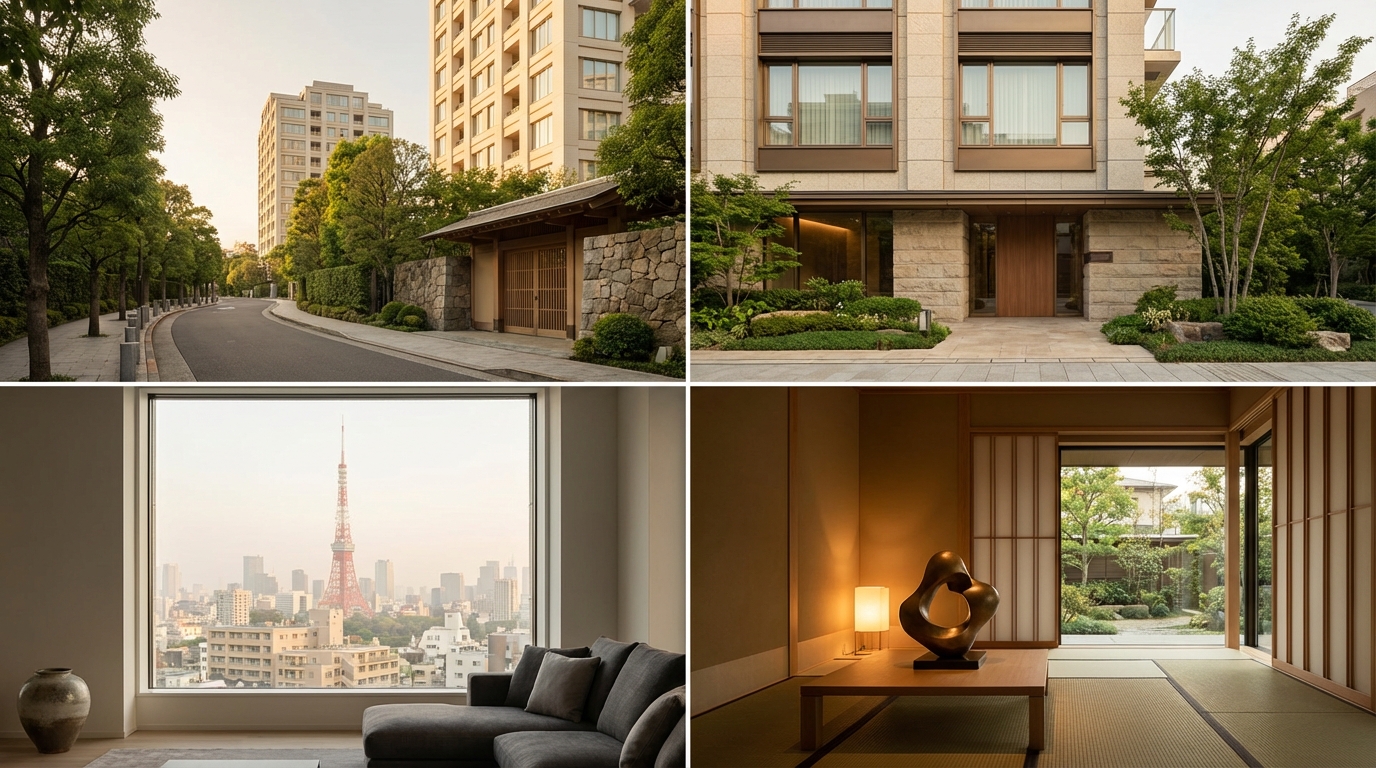
Koukyuu represents buyers navigating Tokyo’s luxury residential market, where properties in districts like Azabu (麻布) and Hiroo (広尾) provide the kitchens and market access that make sustainable food budgeting practical at any income level. For those considering Tokyo relocation, begin a private conversation with our concierge team.