


Reviewed by a Koukyuu Takkenshi (宅地建物取引士)
Fact-checked against current Japanese real-estate law, tax rules, and market data by a nationally licensed specialist who oversees luxury transactions across Minato, Shibuya, and Chiyoda. In Japan, a Takkenshi is legally required to sign off on every property transaction, and about 15% of candidates pass the exam each year.
Resale condominium prices in Fukuoka City’s Chuo-ku (中央区) reached ¥116.91万円 per square metre in April 2026, up from ¥104.97万円 in March alone, a single-month jump of roughly 11 percent on thin supply. That figure sits well below Tokyo’s prime-ward equivalents, but the trajectory is no longer that of a secondary market. Fukuoka has been the fastest-appreciating major Japanese city for resale residential property since 2021, and the pipeline of foreign buyers researching Fukuoka houses for sale has grown in parallel. This guide addresses what that audience actually needs to know: where prices stand by neighborhood, which legal and tax obligations attach to non-resident ownership, and what due-diligence steps are non-negotiable before any contract is signed.
Where Prices Stand Across Fukuoka’s Key Residential Districts
Fukuoka City’s residential market divides cleanly between its central wards and its suburban fringe, and the price gap between them remains meaningful even after five years of appreciation.
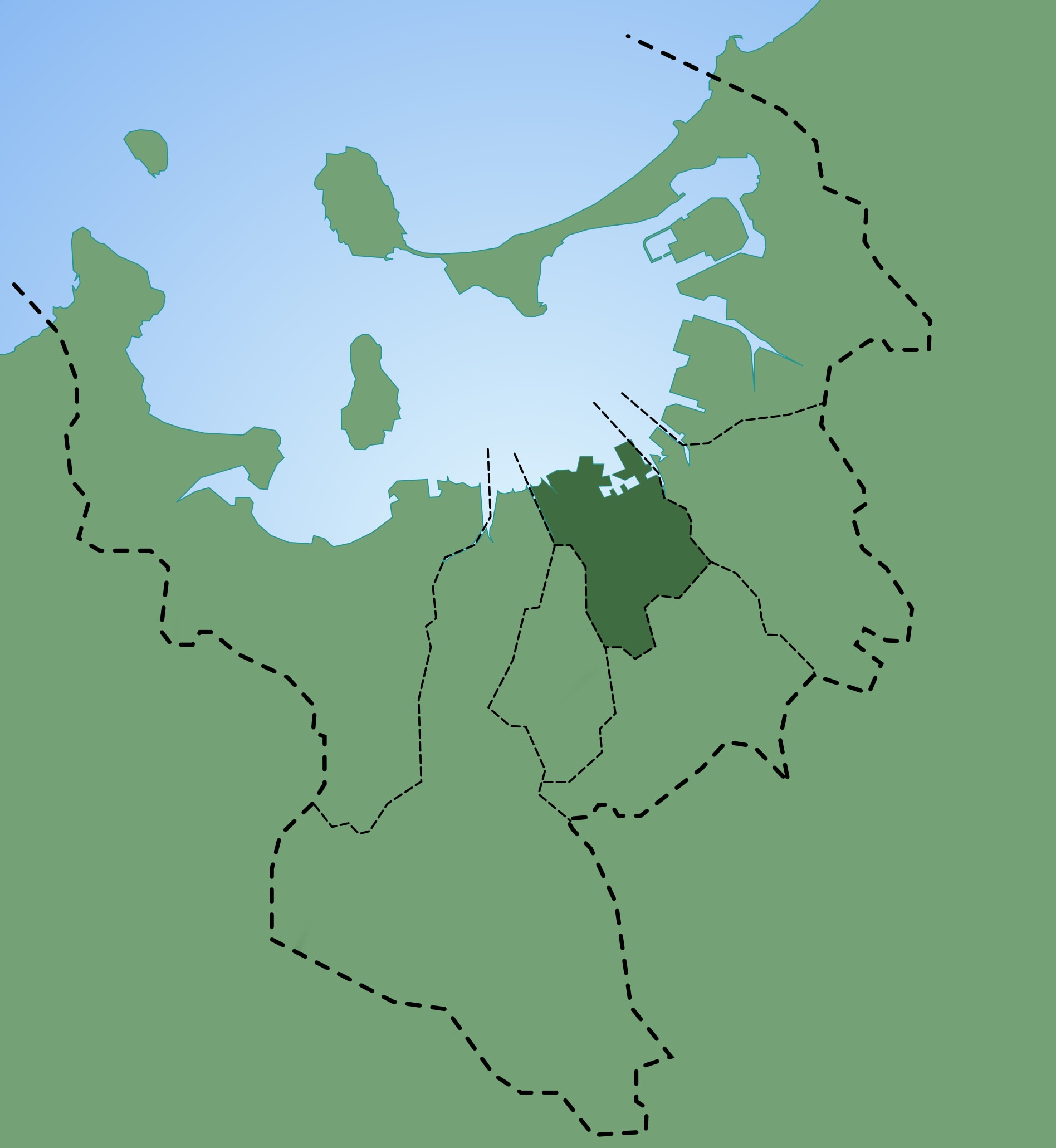
In Chuo-ku, the ward that contains Tenjin (天神), Daimyo (大名), and the Nishitetsu Hirao (西鉄平尾) corridor, investment-grade whole-building マンション (manshon, Japanese usage meaning freehold condominium, not ‘mansion’ in the English sense) are now transacting above ¥600 million. A 2013-built reinforced-concrete building near Hirao station, 30 units across a 1,217㎡ gross floor area, was listed at ¥630 million in April 2026 with an advertised 表面利回り (gross yield) of 4.24 percent and an implied monthly rent roll of ¥2.23 million. Buyers should note that advertised gross yields on Fukuoka residential stock typically require a 150 to 200 basis-point discount to arrive at 実質利回り (net yield, after management fees, vacancy allowance, repair reserves, and property taxes), bringing the realistic net return on that asset to approximately 2.5 to 3.0 percent.
In Nishi-ku (西区), the western suburban ward served by the Fukuoka City Subway Kūkō Line and JR Chikuhi Line, the average resale condominium price reached ¥32.1万円 per square metre as of June 2025, 16.7 percent above the ward’s own suburban fringe. Three-year cumulative appreciation on 1990-vintage stock in areas such as Ishimaru and Fukushige has been approximately 30 percent from a ¥26万円/㎡ base in mid-2022. Comparable 68㎡ units built in that era are currently listed between ¥18.5 million and ¥19.5 million, implying roughly ¥27万円/㎡ and gross yields of 4.7 to 5.8 percent.
In Higashi-ku (東区), specifically the Wajiro (和白) area served by the JR Kashii Line, single-family 中古一戸建て (resale detached houses) show a median asking price of ¥34.6 million overall. The 3LDK segment (three rooms plus living-dining-kitchen) clusters around ¥34 million, while 4LDK properties actually median lower at ¥28.3 million, reflecting older stock and larger land plots that require more remediation. For context on how wide the prefecture’s price band runs: suburban stations such as Toritani price single-family resale at a median of ¥14.9 million, while Orio sits at ¥21.94 million.
For a broader comparison of how Fukuoka’s price-per-square-metre figures relate to other Japanese cities, the Koukyuu guide to house costs in Japan in 2026 provides a useful national baseline.
Seismic Compliance: The First Filter for Any Property Search
Japan’s 建築基準法 (Building Standards Act) has been revised twice in ways that materially affect residential safety and resale liquidity. Properties completed before June 1981 were built to the 旧耐震基準 (old seismic standard) and are structurally distinct from those completed after that date, which comply with the 新耐震基準 (Shin-taishin kijun, New Seismic Standard). A further strengthening took effect in June 2000, producing what practitioners call the 2000年基準, which introduced mandatory soil investigation and more prescriptive connector hardware requirements for timber-frame construction.
For foreign buyers, the practical implication is straightforward. Any single-family house or condominium built before June 1981 requires a 建物状況調査 (building condition inspection, now standard under the 2018 amendment to the 宅地建物取引業法, Real Estate Brokerage Act) before you commit to a price. Pre-1981 stock is not unbuyable, but it carries structural uncertainty, reduced mortgage eligibility at Japanese lenders, and lower liquidity on resale. The Wajiro-area 4LDK properties priced at ¥28.3 million median often fall into this category, which partly explains the discount relative to smaller 3LDK stock.
Fukuoka Prefecture itself sits on the Kego Fault (警固断層), which runs directly beneath central Fukuoka City. The 2005 Fukuoka earthquake (magnitude 7.0) caused significant damage to pre-1981 structures in Chuo-ku and Sawara-ku (早良区). Post-2000 construction, particularly reinforced-concrete マンション in Chuo-ku, performed well in that event and in subsequent seismic activity. Buyers targeting single-family timber-frame houses should prioritize the 2000年基準 as a minimum threshold.
What Non-Resident Ownership Actually Costs: Tax and Running Expenses
Foreign nationals face no statutory restriction on purchasing residential real estate in Japan. Ownership rights on all the properties referenced in this article are 所有権 (freehold title), with no 借地権 (leasehold) complications. The acquisition itself is straightforward. The ongoing and exit tax obligations are where foreign buyers consistently underestimate their exposure.
Annual running costs for a typical 1990-vintage condominium in Nishi-ku or Higashi-ku include 管理費 (kanrihi, monthly management fee) at approximately ¥85 per square metre and 修繕積立金 (shuzen tsumitatekin, repair reserve fund contribution) at approximately ¥100 per square metre. A 68㎡ unit therefore carries roughly ¥12,580 per month in mandatory building-level charges before any personal utility costs. On top of that, 固定資産税 (kotei shisan-zei, fixed-asset tax) applies at the standard rate of 1.4 percent of 課税標準額 (assessed value, typically 50 to 70 percent of market price for older stock), plus an additional 都市計画税 (urban planning tax) of 0.3 percent for properties in 市街化区域 (urbanisation promotion zones), which covers the entirety of Fukuoka City’s built-up wards. Rental income taxation for non-residents is more punishing than many buyers anticipate. Rental income remitted overseas by a non-resident owner is subject to 20.42 percent 源泉徴収 (withholding tax) under the 所得税法 (Income Tax Act). Tax treaty relief may apply depending on jurisdiction: the US-Japan treaty, for example, caps withholding on real property income at 10 percent under certain structural arrangements. Buyers from jurisdictions without a bilateral treaty with Japan face the full statutory rate. Capital gains on exit are subject to 譲渡所得税 (capital gains tax) at 30.63 percent for properties held under five years, or 15.315 percent for properties held over five years, calculated on net gain. There is an additional procedural obligation that catches many foreign sellers by surprise: under Article 212 of the Income Tax Act, the acquiring party at closing must withhold 10.21 percent of the full purchase price and remit it to the tax authority on the seller’s behalf, unless the seller has obtained an exemption certificate in advance. Failure to plan for this can produce a significant cash-flow problem at closing. Inheritance planning carries a structural advantage that is less widely understood. Foreign nationals holding Japanese real estate are subject to Japanese 相続税 (inheritance tax) on the Japanese-sited asset regardless of domicile. However, the 路線価 (road frontage value, published annually by the 国税庁, National Tax Agency) used to value residential land for inheritance purposes typically runs at 60 to 80 percent of 公示地価 (published land price), which itself is already below market. The compounding discount between market value and inheritance-assessed value can be material for well-located Fukuoka City land, and warrants early advice from a Japanese tax specialist.For a full walkthrough of the purchase process from visa status through to 登記 (touki, the transfer of legal title recorded at the Legal Affairs Bureau), the Koukyuu guide to buying homes in Japan as a foreign national covers each procedural stage in detail.
The Due Diligence Sequence: From Shortlist to Signed Contract
The statutory disclosure framework in Japan requires that a 宅建士 (takken-shi, Japan’s licensed real-estate transaction specialist) deliver the 重要事項説明 (juuyou-jikou-setsumei, the statutory pre-contract disclosure meeting) to the buyer before any contract is signed. This document covers title encumbrances, building permit history, seismic compliance, zoning, management association finances for condominiums, and any known material defects. It is the single most important document in the transaction.
The problem that foreign buyers frequently encounter is that many Tokyo and regional agencies route clients through unlicensed salespeople for the entire search and negotiation phase, producing the licensed specialist only at the closing table. By that point, the buyer has already committed emotionally and financially, and the leverage to renegotiate on disclosure issues is limited. For transactions in the ¥300 million range and above, this structural weakness in the standard agency model is a meaningful risk.
Practical due diligence for Fukuoka houses for sale should include: confirmation of 新耐震基準 compliance (post-June 1981 completion date at minimum, post-June 2000 for timber-frame); a 建物状況調査 inspection by a registered inspector; review of the マンション management association’s 長期修繕計画 (long-term repair plan) and current repair reserve balance; title search at the Legal Affairs Bureau to confirm clean 所有権; and, for non-residents, advance consultation with a Japanese tax accountant on withholding structure and exit planning before the 手付金 (tetsuke-kin, the earnest-money deposit, typically 10 percent of the purchase price) is paid.
Buyers considering Fukuoka houses for sale through English-language portals will find broad inventory coverage, but should treat listed prices as starting points for negotiation rather than fixed values, particularly on properties that have been listed for more than 60 days.
Fukuoka Versus Tokyo: A Practical Comparison for the Relocating Buyer
The question that arrives most often from HNW foreign buyers is whether Fukuoka’s appreciation trajectory justifies a reallocation from Tokyo. The honest answer depends heavily on the buyer’s primary objective.
For buyers seeking capital preservation with modest yield, Fukuoka’s Chuo-ku offers reinforced-concrete stock at roughly 40 to 50 percent of equivalent Tokyo prime-ward prices, with a gross yield premium of 100 to 150 basis points over comparable Minato-ku (港区) or Shibuya-ku (渋谷区) assets. The liquidity profile is thinner, particularly for assets above ¥500 million, and exit timelines should be modelled at 12 to 18 months rather than the 6 to 9 months that Tokyo prime typically supports.
For buyers whose primary need is a principal residence in Japan, Fukuoka offers a genuinely liveable city with direct Shinkansen access to Osaka (approximately 2 hours 15 minutes on the Nozomi) and Seoul (via Fukuoka Airport, 1 hour 20 minutes), a compact central district navigable without a car, and a cost of living materially below Tokyo’s. The 国家戦略特区 (National Strategic Special Zone) designation that Fukuoka City holds has accelerated English-language business infrastructure and international school capacity, both relevant to foreign residents with families.
For buyers whose objective is a distinguished Tokyo residence with the full range of prime-ward amenities, Fukuoka is a different asset class. The two markets are not substitutes. Buyers with a ¥300 million floor and a Tokyo brief should evaluate Azabu (麻布), Hiroo (広尾), Shirokane (白金), and the Azabudai Hills (麻布台ヒルズ) corridor on their own terms, which the Koukyuu team addresses directly. For a comparable foreign-buyer framework applied to another major Japanese city, the Yokohama foreign buyer’s market guide for 2026 offers a useful structural parallel.
Fukuoka’s single-family resale market, particularly in Higashi-ku and Nishi-ku, also warrants attention from buyers considering a longer-term relocation rather than a pure investment. The combination of post-2000 seismic compliance, freehold title, and asking prices in the ¥30 to ¥40 million range for 3LDK to 4LDK houses represents a value proposition that has no direct equivalent in Tokyo’s central wards. The japan-property.jp Fukuoka listings illustrate the current inventory range, from sub-¥20 million suburban stock to larger family homes approaching ¥100 million in preferred school-district locations.
Koukyuu is a private buyer’s advisory for distinguished Tokyo residences in Nishi-Azabu (西麻布), Roppongi Hills (六本木ヒルズ), and Kita-Aoyama (北青山), focused exclusively on transactions of ¥300 million and above, with a licensed 宅建士 personally handling every stage of the engagement from the first consultation through to signing. Book a private consultation) to begin.