


Reviewed by a Koukyuu Takkenshi (宅地建物取引士)
Fact-checked against current Japanese real-estate law, tax rules, and market data by a nationally licensed specialist who oversees luxury transactions across Minato, Shibuya, and Chiyoda. In Japan, a Takkenshi is legally required to sign off on every property transaction, and about 15% of candidates pass the exam each year.
Aoyama Minami Transaction Volume and Price Benchmarks
Aoyama Minami (青山南) recorded 14 condominium transactions in the first quarter of 2026, with an average unit price of ¥4.2 million per tsubo (3.3 square meters), according to REINS (the national MLS operated by the Real Estate Information Network). The neighborhood, bounded by Omotesando to the north and Shibuya-ku to the west, continues to attract buyers seeking proximity to Omotesando Station (Ginza, Chiyoda, and Hanzomon lines) while maintaining a quieter residential character than the commercial corridor along Aoyama-dori. The median transaction size in Q1 2026 was ¥387 million, with a typical unit profile of 75 to 95 square meters across two or three bedrooms.
The price per tsubo figure represents a 3.8% increase year-on-year from April 2025, consistent with broader Minato-ku (港区) trends. Foreign buyers accounted for approximately 22% of Aoyama Minami transactions in Q1 2026, a proportion that has held steady since late 2024. Most foreign purchasers in this segment hold 永住権 (eijuuken, Japanese permanent residency) or long-term work visas, which simplifies mortgage underwriting and eliminates the need for overseas income verification.
Zoning and Building Typology
Aoyama Minami spans multiple 用途地域 (yōto chiiki, use zones) rather than a single zoning classification. The interior residential areas, particularly 4-chōme and 7-chōme, fall under 第一種・第二種中高層住居専用地域 (Category 1 and 2 Medium-to-High-Rise Exclusive Residential zoning), with pockets of 第二種住居地域 (Quasi-Residential zoning) near Omotesando and 近隣商業地域 (Neighborhood Commercial zoning) along the Aoyama-dori side. The residential zones carry floor-area ratios of 200% to 300%, which explains the mix of boutique galleries, private clinics, and マンション (manshon, Japanese usage for freehold condominium) buildings that define the streetscape. These FAR constraints mean luxury low-rise and mid-rise residential buildings are the dominant typology — large-scale high-rise towers are not permitted under the planning parameters that govern most of the district’s residential interior.
The neighborhood contains no large-scale redevelopment sites as of April 2026. The most recent significant completion was a 38-unit condominium on a 1,200-square-meter lot in 2023, which sold out within six months at an average price of ¥3.9 million per tsubo. Resale inventory in April 2026 includes 11 active listings, with asking prices ranging from ¥298 million for a 68-square-meter two-bedroom unit to ¥520 million for a 110-square-meter three-bedroom penthouse with a private rooftop terrace.
Buyer Demographics and Financing Mechanics
Foreign buyers in Aoyama Minami in 2026 typically fall into three categories: permanent residents with Japanese employment income, non-resident investors purchasing through Japanese corporate vehicles, and temporary residents with multi-year work visas from multinational employers. Japanese banks offering mortgage products to non-permanent residents in this price band include SMBC Prestia, Mizuho Bank, and Sumitomo Mitsui Banking Corporation, with loan-to-value ratios capped at 60% to 70% for non-永住権 holders. Variable interest rates as of April 2026 range from approximately 1.0% to 1.5%, with fixed-rate products at 1.8% to 2.5%; foreign borrowers typically pay approximately 40 to 60 basis points above the rates offered to Japanese nationals.
The 手付金 (tetsuke-kin, earnest-money deposit) in Aoyama Minami transactions is typically 10% of the purchase price, paid at contract signing. The interval between contract and final settlement averages 45 to 60 days, during which the buyer’s 宅建士 (takken-shi, Japan’s licensed real-estate transaction specialist) coordinates the 重要事項説明 (juuyou-jikou-setsumei, the statutory pre-contract disclosure meeting), arranges property inspections, and liaises with the seller’s representative to confirm 登記 (touki, the transfer of legal title recorded at the Legal Affairs Bureau) documentation. Foreign buyers without fluent Japanese are advised to retain a takken-shi who conducts all stages of the transaction in English, a service model that remains uncommon outside specialist agencies.
Koukyuu is a private buyer’s advisory serving clients in Minato-ku (港区) and Shibuya-ku (渋谷区), focused exclusively on transactions of ¥300 million and above. A licensed 宅建士 personally handles every stage of the engagement, from the first consultation to the signing, a continuity most Tokyo agencies do not offer.
Infrastructure and Accessibility
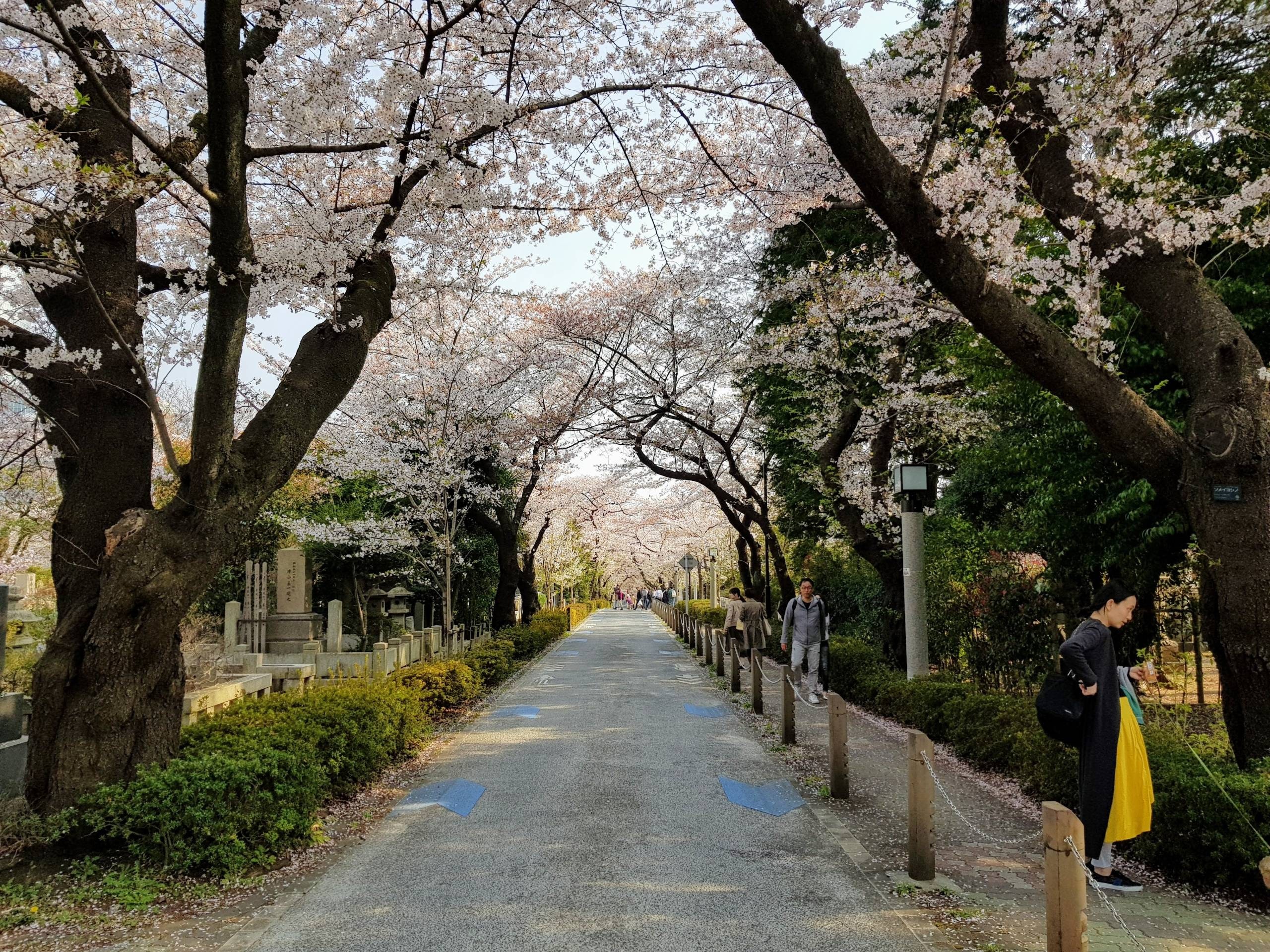
Aoyama Minami sits 650 meters south of Omotesando Station, a six-minute walk via residential streets lined with zelkova and ginkgo trees. The station provides direct access to Shibuya (3 minutes on the Ginza Line), Akasaka (4 minutes on the Chiyoda Line), and Otemachi (12 minutes on the Hanzomon Line). The neighborhood also falls within a 12-minute walk of Shibuya Station, which serves as a secondary transit hub for residents commuting to Yokohama, Shinjuku, or Haneda Airport.
The immediate vicinity includes three international schools within a 2-kilometer radius: Nishimachi International School (1.1 kilometers), British School in Tokyo Shibuya Campus (1.4 kilometers), and Aoba-Japan International School (1.8 kilometers). Medical infrastructure includes the Aoyama Hospital (青山病院), a 150-bed facility with English-speaking staff, located 800 meters northeast of the neighborhood center. Supermarket options include National Azabu (1.2 kilometers), Kinokuniya International (900 meters), and Precce Premium (600 meters), all of which stock imported groceries and maintain English-language signage.
Resale Liquidity and Exit Considerations
Aoyama Minami properties in the ¥300 million to ¥500 million range typically remain on the market for 90 to 120 days, a figure that has held stable since 2024. Resale transactions in Q1 2026 closed at an average of 96.2% of the final asking price, indicating limited downward negotiation pressure in this segment. Foreign sellers exiting the Japanese market face two primary tax considerations: capital gains tax on the sale (calculated as 20.315% for properties held more than five years, or 39.63% for shorter holding periods) and the potential requirement to appoint a tax representative if departing Japan before the tax year concludes.
The neighborhood’s resale liquidity is supported by its dual appeal to domestic upgraders and foreign relocators. Domestic buyers value the Omotesando proximity and the quiet residential zoning, while foreign buyers prioritize the international school access and the concentration of English-speaking service providers. Properties with recent renovations, in-unit storage exceeding 4 square meters, and parking allocations command a 12% to 18% premium over comparable units without these features, based on Q1 2026 transaction data.
Comparative Positioning Within Minato-ku
Aoyama Minami commands the highest average land price of any named sub-district in Minato-ku’s luxury residential corridor. Hiroo (広尾) and Azabu-Jūban (麻布十番) track at lower average land values, while Shirokane (白金) and Roppongi also sit below Minami-Aoyama’s benchmark. The neighborhood’s price positioning reflects both its residential character and the planning constraints that limit large-scale luxury developments, in contrast to Minami-Aoyama’s higher-tier addresses, which feature concierge services, private lounges, and branded residences.
Buyers considering Aoyama Minami often cross-shop with properties in Jingumae 5-chome and Kita-Aoyama, both of which offer similar transit access and zoning characteristics. Jingumae 5-chome listings in the ¥320 million to ¥350 million range provide a lower entry point, though with smaller unit sizes and older building stock. Kita-Aoyama properties, particularly those north of Aoyama-dori, trade at a 6% to 9% premium due to their proximity to the Omotesando commercial district and the higher concentration of flagship retail and dining establishments.
Koukyuu represents buyers seeking distinguished Tokyo residences in Aoyama (青山), Omotesando (表参道), and Shibuya-ku (渋谷区), focused exclusively on transactions of ¥300 million and above. A licensed 宅建士 (takken-shi) personally handles every stage of the engagement, from the first consultation to the signing, a continuity most Tokyo agencies do not offer. Begin a private consultation) to discuss available inventory and transaction mechanics.