

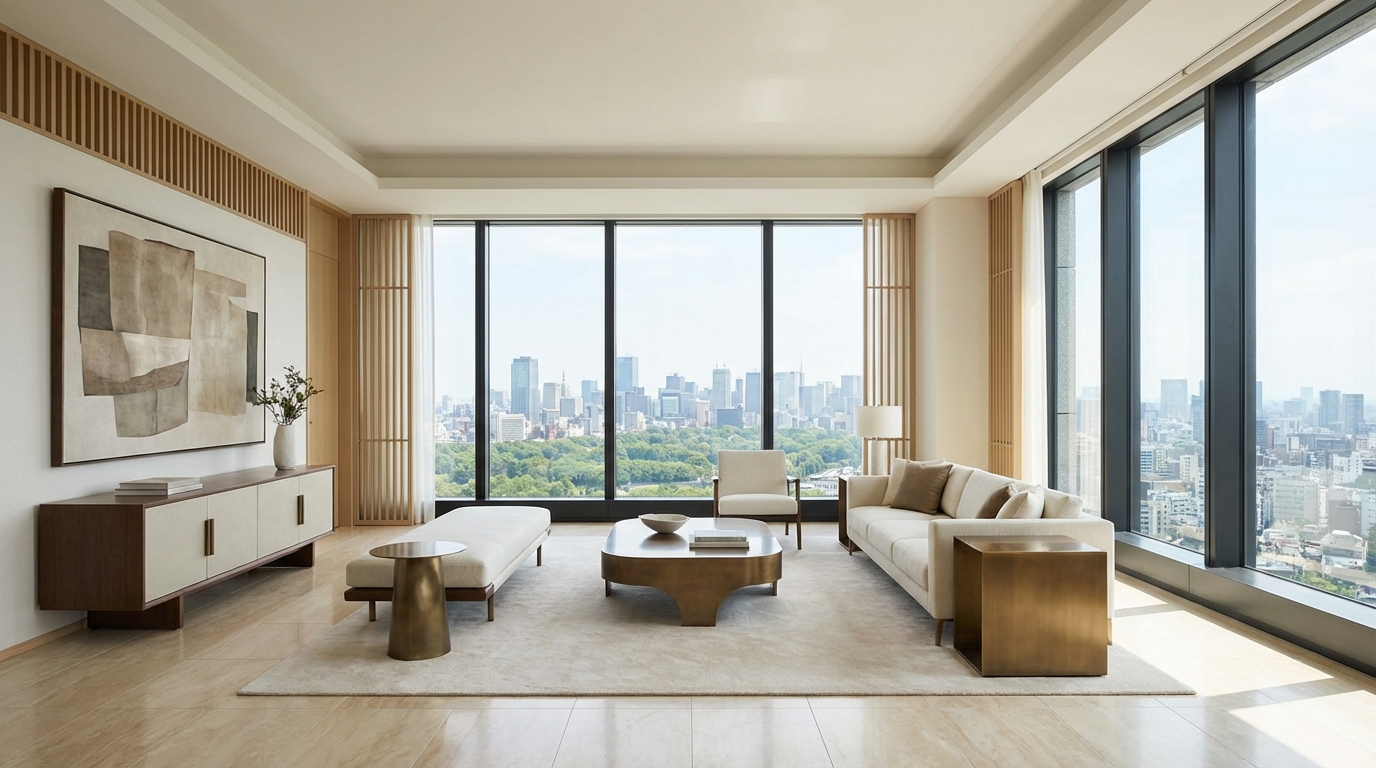
The process of moving to a new apartment in Japan follows a precise sequence. Municipal offices expect documentation within fourteen days. Utility companies require advance notice. Landlords conduct inspections with standardized checklists. Understanding each step prevents deposit deductions and administrative penalties.
Moving to a new apartment in Japan checklist: Timeline and preparation
Japanese rental procedures operate on strict timelines. Most moves require eight weeks of preparation from contract signing to final key handover. The sequence begins with notice to your current landlord and concludes with municipal registration at your new ward office.
Two months before moving day
Contact your current landlord or management company in writing. Standard rental contracts in Tokyo require one to two months’ notice before vacating. This notice period determines your final rent payment and triggers the move-out inspection scheduling process.
Research moving companies during this period. Japanese moving services (引越し業者) provide detailed quotes based on apartment size, distance, and timing. Peak season runs from March through early April when corporate transfers and university admissions create demand. Rates during this period increase by thirty to forty percent compared to off-peak months.
Select your new apartment and complete the contract process. Japanese rental agreements require multiple documents: residence card for foreign nationals, employment verification, income proof, and guarantor information. Some properties accept guarantor companies (保証会社) as an alternative to individual guarantors, typically charging thirty to fifty percent of one month’s rent as an initial fee.
One month before moving
Submit your moving-out notice (解約通知) to your current landlord if you have not already done so. This document must include your move-out date, forwarding address, and contact information. Management companies typically provide a specific form for this purpose.
Schedule the move-out inspection (退去立会い). This inspection occurs on your final day in the apartment or shortly after. The landlord or management representative examines the property for damage beyond normal wear and tear (経年劣化). Document the apartment’s condition with photographs before the inspection.
Reserve your moving company. Provide them with detailed information about both apartments: floor level, elevator availability, parking restrictions, and building access hours. Tokyo apartments often restrict moving activities to specific time windows to minimize disruption to other residents.
File your moving-out notification (転出届) at your current ward office if moving to a different municipality. This process takes ten to fifteen minutes and requires your residence card. The office issues a moving-out certificate (転出証明書) which you present at your new ward office.
Two weeks before moving
Arrange utility transfers for your current apartment. Japanese utilities operate independently:
Electricity (電気): Contact your provider by phone or online portal. Specify your move-out date and final meter reading date. Most Tokyo providers including TEPCO allow same-day processing for disconnection requests.
Gas (ガス): Schedule a final inspection with Tokyo Gas or your local provider. A technician must physically close the gas valve and record the final meter reading. This appointment typically occurs on your move-out day.
Water (水道): Contact your municipal waterworks bureau. Provide your customer number, move-out date, and forwarding address for the final bill. Water service requires no physical inspection for disconnection.
Internet and phone: Notify your provider at least two weeks in advance. Some contracts require equipment return by mail or in-person. Early termination fees apply if you cancel before the minimum contract period, typically twenty-four months.
Arrange utility activation for your new apartment. Gas connection requires scheduling an in-person appointment for safety inspection and valve opening. Electricity and water typically activate remotely once you provide your move-in date and new address.
Update your address with essential services. The post office provides mail forwarding (転送届) for up to one year. Submit this form at any post office branch with identification. Financial institutions, insurance providers, and subscription services require individual notification.
Moving day procedures
Conduct a final cleaning of your current apartment. Japanese rental standards expect thorough cleaning including kitchen exhaust fans, bathroom fixtures, and balcony drains. Professional cleaning services cost ¥30,000 to ¥50,000 for a standard apartment in Tokyo, though many tenants handle this independently.
The move-out inspection assesses the apartment against the initial condition report from your move-in. The landlord or representative checks for:
- Wall damage beyond standard picture hook holes
- Flooring scratches or stains
- Kitchen and bathroom condition
- Appliance functionality if provided
- Balcony cleanliness
- Key and access card return
Normal wear includes minor wall discoloration, tatami (畳) aging in older properties, and standard floor wear. Tenants bear responsibility for cigarette burns, pet damage, and structural alterations made without permission.
Security deposit (敷金) deductions follow standardized guidelines. The deposit typically equals one to two months’ rent. Landlords must provide itemized deduction statements within thirty to sixty days. Disputes proceed through local housing consultation centers or small claims court.
Return all keys, mailbox keys, entry cards, and remote controls. Obtain a written receipt confirming key return. This document protects against future claims of unreturned items.
Arriving at your new apartment
Receive keys from your landlord or management company. Verify that all promised keys and access devices are included. Test each key immediately to confirm functionality.
Conduct a move-in inspection with the same thoroughness as your move-out process. Document existing damage, scratches, or issues with photographs and written notes. Submit this documentation to your landlord within one week. This record protects your security deposit when you eventually move out.
Meet the gas company technician for your scheduled connection appointment. This appointment cannot be skipped. The technician inspects gas lines, checks for leaks, opens the main valve, and demonstrates proper usage. The appointment takes twenty to thirty minutes.
Confirm electricity and water activation. Check that outlets function and water flows properly. Contact providers immediately if services fail to activate as scheduled.
Municipal registration and administrative procedures
Foreign nationals must update their residence card within fourteen days of moving. This legal requirement applies to all visa categories including work visas, spouse visas, and student visas. Failure to update within this period can result in fines or visa complications.
Ward office procedures
Visit your new ward office (区役所 or 市役所) with your residence card and moving-out certificate if you received one. The registration process differs slightly depending on whether you moved within the same municipality or from a different city.
Moving from a different municipality: Submit your moving-out certificate and complete a moving-in notification (転入届). The office updates your residence card with your new address using a specialized printer. This process takes fifteen to thirty minutes depending on office traffic.
Moving within the same ward: File a change of address notification (転居届). This simpler process updates your address without requiring a moving-out certificate. Bring your residence card and complete the form at the citizen services counter.
The ward office provides several additional services during this visit:
- National Health Insurance (国民健康保険) address updates for those enrolled
- Pension (年金) address changes
- Child allowance and welfare program updates if applicable
- Resident tax (住民税) address registration
Request an official residence certificate (住民票) if needed for other administrative processes. Banks, employers, and government agencies sometimes require this document as proof of address.
Additional registrations
Update your My Number Card (マイナンバーカード) address if you possess one. The ward office handles this update during your residence card processing. The card’s embedded chip receives the new address data electronically.
Notify your employer of your address change. Companies must update employment records for tax and social insurance purposes. Provide your new address in writing with the effective date.
Update your bank accounts. Japanese banks require current address information for correspondence and regulatory compliance. Most banks accept address changes through online banking, mobile apps, or branch visits. Bring your residence card or a residence certificate as proof of new address.
Change your driver’s license address if you hold a Japanese license. Visit your local police station or driver’s license center with your license and residence card. The process takes ten to fifteen minutes. Police update the license with a printed sticker showing your new address.
Utility setup and provider selection
The Japanese utility market has evolved significantly. Electricity deregulation allows consumers to choose from multiple providers beyond the regional monopolies. Gas and water remain more restricted, though options exist in major cities.
Electricity providers in Tokyo
Tokyo residents can select from over thirty registered electricity retailers. TEPCO remains the largest provider, but alternatives including Looop, Rakuten Energy, and Tokyo Gas offer competitive rates. Provider selection depends on usage patterns, contract length preferences, and bundling options.
Most providers offer online signup requiring your new address, desired start date, and payment method. Activation occurs remotely without physical appointments. Smart meters enable this remote activation across most Tokyo properties built or renovated in recent years.
Gas connection requirements
Gas service requires a physical inspection regardless of provider. Tokyo Gas dominates the city gas (都市ガス) market in central Tokyo. Schedule your connection appointment at least three to five business days before your move-in date.
The inspection appointment requires an adult resident present at the apartment. The technician verifies gas appliance compatibility, checks connections, and provides safety instructions. Bring identification and be prepared to provide your payment method.
Some older Tokyo properties use propane gas (プロパンガス) instead of city gas. Propane service operates through smaller regional companies with less flexibility in provider choice. Verify your gas type before selecting a provider.
Water service activation
Water service connects through your municipal waterworks bureau. Tokyo’s twenty-three special wards receive service from the Tokyo Metropolitan Government Bureau of Waterworks. Contact them by phone or through their online portal with your move-in date and new address.
Water activation occurs remotely in most cases. The bureau provides a customer number for billing purposes. First bills arrive approximately one month after activation.
Internet and communication services
Japanese internet service varies significantly by building. Many newer apartments include fiber optic infrastructure from providers like NTT, au Hikari, or NURO. Older buildings may offer only VDSL or cable options with slower speeds.
Verify available services with your landlord or management company before signing contracts. Some buildings maintain exclusive provider agreements limiting your choices. Installation for new fiber connections takes two to four weeks and may require drilling or wall-mounted equipment.
Mobile phone plans operate separately from home internet. Major carriers (docomo, au, Softbank) offer bundled discounts when combining home and mobile services. Budget carriers (MVNO) provide lower-cost alternatives using the major carriers’ networks.
Rental property considerations for foreign nationals
Foreign nationals face specific considerations when moving to a new apartment in Japan. Understanding these requirements prevents delays and complications.
Residence card requirements
Your residence card serves as primary identification throughout the moving process. Landlords, utility companies, and municipal offices require this card for verification. Keep it accessible during your entire move.
Tourist visas do not permit apartment rentals in Japan. Short-term accommodations including serviced apartments, monthly mansions, and guesthouses serve tourists and short-stay visitors. Standard rental contracts require a valid residence status with remaining validity extending beyond the intended lease period.
Guarantor and guarantor company options
Japanese rental applications traditionally required a Japanese national guarantor. This requirement created barriers for foreign nationals without established local networks. Guarantor companies now provide an alternative accepted by most Tokyo landlords.
Guarantor companies charge an initial fee of thirty to fifty percent of monthly rent, plus annual renewal fees of ten thousand to twenty thousand yen. These companies assume financial responsibility if tenants default on rent or damage the property.
Some landlords still prefer individual guarantors over companies. Employment-based guarantors through your company’s HR department satisfy this preference in many cases. Discuss guarantor options during your apartment search to identify compatible properties.
Document preparation
Gather required documents before beginning your apartment search:
- Valid residence card with sufficient remaining period
- Employment certificate (在職証明書) from your employer
- Income documentation showing annual salary
- Passport for identification
- Emergency contact information
Some landlords request additional documentation including previous rental history or reference letters. Property management companies communicate these requirements during the application process.
Checklist for moving: Complete timeline overview
A comprehensive checklist organizes the moving process into manageable phases. This timeline applies to standard rental moves within or into Tokyo.
Eight weeks before
- Notify current landlord in writing
- Review rental contract for move-out requirements
- Research moving companies and request quotes
- Begin apartment search if not yet completed
- Confirm new apartment contract details
Four weeks before
- Submit formal moving-out notice if not completed
- Schedule move-out inspection
- Reserve moving company
- File moving-out notification at ward office (if changing municipalities)
- Begin decluttering and packing non-essential items
Two weeks before
- Contact electricity provider for disconnection
- Schedule gas disconnection inspection
- Notify water bureau of move-out date
- Arrange internet and phone cancellation
- Submit mail forwarding at post office
- Schedule utility connections for new apartment
- Update address with banks and financial institutions
- Notify employer of address change
- Confirm moving company details
One week before
- Complete packing except daily essentials
- Confirm all utility disconnection appointments
- Verify new apartment utility activation dates
- Prepare cleaning supplies for move-out day
- Organize important documents for easy access
- Confirm move-out inspection time with landlord
Moving day
- Conduct final cleaning
- Complete move-out inspection
- Return all keys and obtain receipt
- Verify final meter readings for utilities
- Meet moving company at current apartment
- Receive keys at new apartment
- Conduct move-in inspection and document condition
- Meet gas technician for connection
- Verify electricity and water activation
Within fourteen days after moving
- Register at new ward office with residence card
- Update My Number Card if applicable
- Change driver’s license address
- Verify utility billing setup
- Complete unpacking and apartment setup
- Introduce yourself to neighbors if culturally appropriate
Moving companies and service levels
Japanese moving companies offer standardized service tiers. Understanding these options helps match services to your needs and budget.
Standard moving services
Basic moving services include transportation, loading, and unloading. Customers pack their belongings independently using provided or purchased materials. This option costs ¥30,000 to ¥80,000 for a one-bedroom apartment in Tokyo depending on distance and timing.
Full-service options
Premium services include packing, unpacking, furniture placement, and disposal of packing materials. Some companies offer cleaning services and temporary storage. Full-service moves for a one-bedroom apartment range from ¥80,000 to ¥150,000.
Major moving companies in Tokyo include Art Corporation, Sakai Moving Service, and Yamato Transport. These companies maintain English-language support staff for foreign customers. Request quotes from multiple companies to compare pricing and services.
Timing and cost considerations
Moving costs fluctuate significantly based on timing. Peak season (late March to early April) sees prices increase by thirty to forty percent. Weekend and month-end moves cost more than weekday mid-month alternatives.
Some companies offer discounted rates for moves scheduled on specific dates with flexible timing. These “free-date” plans reduce costs by allowing the company to optimize their schedule. Discounts reach twenty to thirty percent compared to fixed-date pricing.
Post-move settling and neighborhood integration
The first weeks in your new apartment establish patterns for your tenancy. Japanese rental culture emphasizes quiet enjoyment and consideration for neighbors.
Neighborhood introductions
Traditional practice involved introducing yourself to immediate neighbors with small gifts (手土産). This custom has declined in large Tokyo apartment buildings but remains common in smaller buildings and residential neighborhoods. Simple gifts include packaged sweets or towels with brief self-introduction.
Modern apartment buildings often skip formal introductions. Residents maintain privacy and limit interaction to polite greetings in common areas. Follow the apparent culture of your building.
Understanding building rules
Review your building’s rules (管理規約) carefully. Common regulations include:
- Garbage disposal days and sorting requirements
- Noise restrictions (typically after 10 PM)
- Balcony usage limitations
- Guest policies and common area usage
- Bicycle and vehicle parking assignments
Tokyo’s garbage sorting system requires separation into burnable, non-burnable, recyclable, and oversized categories. Each ward provides detailed sorting guides in multiple languages. Improper sorting can result in rejected garbage and neighbor complaints.
Building amenities and services
Familiarize yourself with building amenities including package delivery systems, bicycle parking, and common facilities. Many Tokyo buildings use electronic package lockers for deliveries when residents are absent. Delivery companies leave notification cards with retrieval instructions.
Understand your building’s management company contact procedures. Most buildings provide emergency contact numbers for after-hours issues including water leaks, lock-outs, and facility problems.
Financial considerations and cost planning
Moving costs extend beyond the moving company fee. Budget for multiple expenses across the transition period.
Initial moving costs
Typical expenses for a Tokyo apartment move include:
- Moving company: ¥30,000 to ¥150,000 depending on service level
- Utility connection fees: ¥3,000 to ¥5,000 for gas inspection
- Cleaning supplies or services: ¥5,000 to ¥50,000
- Mail forwarding: Free at post office
- Address change documentation: Free to ¥500 for residence certificates
New apartment initial costs
Japanese rental contracts require substantial upfront payments:
- Security deposit (敷金): One to two months’ rent
- Key money (礼金): Zero to two months’ rent
- Agency fee: 0.5 to one month’s rent plus tax
- Guarantor company fee: Thirty to fifty percent of monthly rent
- First month’s rent: Prorated based on move-in date
- Fire insurance: ¥15,000 to ¥20,000 for two years
A ¥150,000 monthly rent apartment typically requires ¥600,000 to ¥800,000 in initial payments.
Ongoing cost changes
Compare utility costs between your old and new apartments. Newer buildings often feature better insulation and more efficient systems, reducing heating and cooling expenses. Older properties may have higher utility costs despite lower rent.
Review your commuting costs if your move changes your work route. Tokyo’s complex train network means small distance changes can significantly impact commute time and cost. Some employers provide commuter allowances up to a monthly maximum.
Downloadable resources and documentation
Many ward offices and moving companies provide checklist PDFs for download. These documents offer structured tracking for the moving process. The Tokyo Metropolitan Government website offers multilingual moving guides covering municipal registration and basic procedures.
Property management companies often provide move-in and move-out checklists specific to their buildings. Request these documents when signing your rental contract. Use them to guide your inspection processes and ensure complete compliance with building requirements.
Create your own documentation system for the move. Photograph your old apartment before moving out and your new apartment immediately upon moving in. Maintain copies of all notices, receipts, and correspondence with landlords and utility companies. This documentation protects your interests if disputes arise regarding deposit returns or service charges.
Koukyuu represents buyers and tenants navigating Tokyo’s residential market with precision and discretion. For those seeking properties in the city’s most distinguished addresses, our concierge team provides comprehensive support throughout the acquisition and moving process. Begin a private conversation about your Tokyo residence requirements.